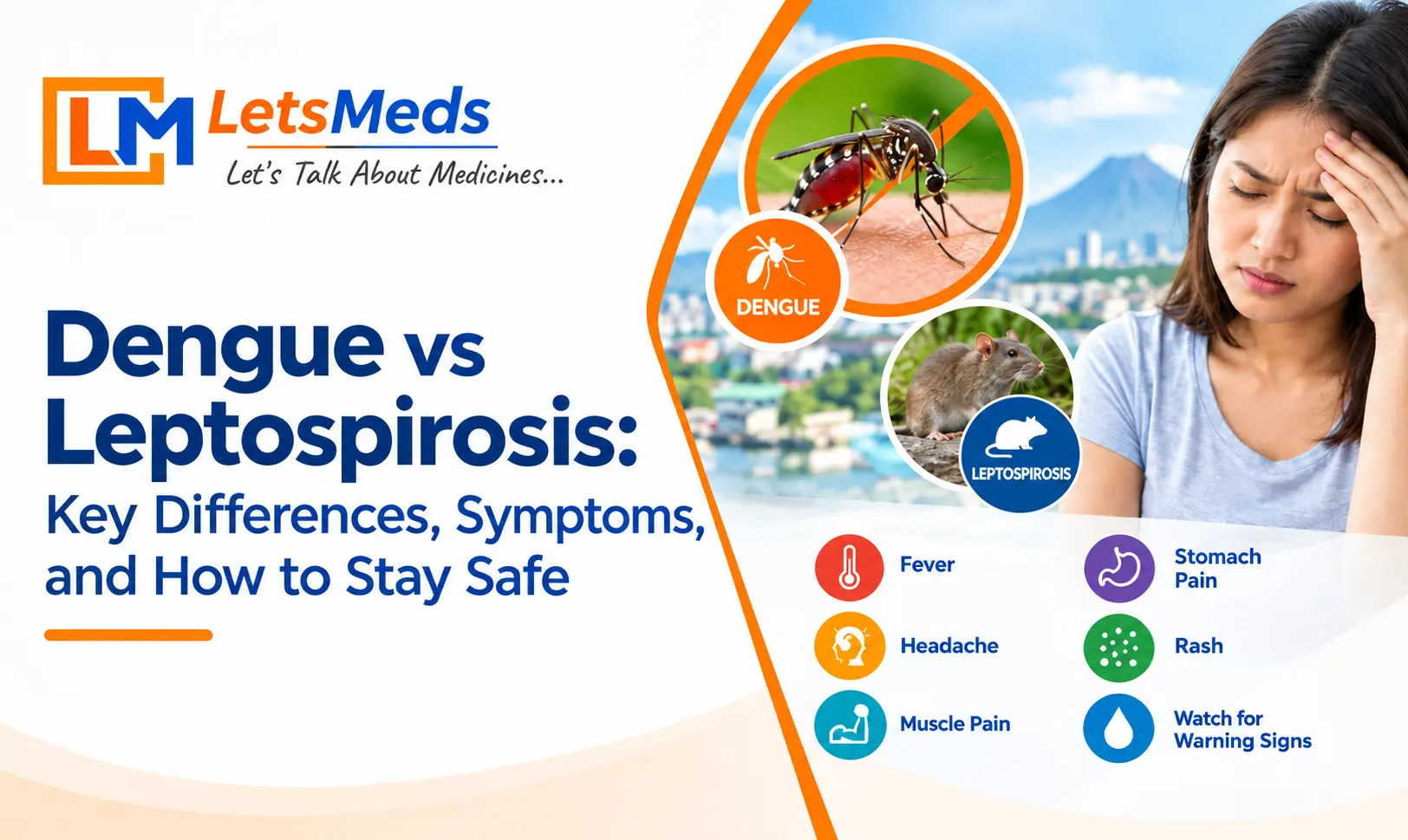
Dengue vs Leptospirosis in the Philippines: Symptoms, Warning Signs, Testing & Treatment
October 8, 2026
Key Points
- Dengue is a viral disease spread mainly by infected Aedes mosquitoes.
- Leptospirosis is a bacterial infection that can occur after exposure to water or soil contaminated with urine from infected animals.
- Both diseases can cause fever, headache, muscle pain, nausea, and weakness.
- Dengue may cause pain behind the eyes, rash, and severe dengue warning signs.
- Leptospirosis may be associated with floodwater exposure, severe muscle pain, red eyes, jaundice, and kidney or liver complications.
- A person can have either disease without having every typical symptom.
- Testing and professional medical assessment are important when dengue or leptospirosis is suspected.
- Severe symptoms require prompt medical attention.
Dengue and leptospirosis are two important health concerns in the Philippines, particularly during periods of heavy rain, flooding, and increased mosquito activity. Both illnesses can cause fever, headache, muscle or body pain, nausea, and weakness, which can make them difficult to distinguish based on symptoms alone.
The difference is important, however. Dengue is caused by a virus transmitted mainly by infected Aedes mosquitoes, while leptospirosis is a bacterial infection associated with exposure to water or soil contaminated with urine from infected animals.
Recent Philippine health reports have continued to highlight both diseases. In September 2026, the Department of Health warned about dengue and leptospirosis activity during the rainy season, while regional health authorities reported increases in cases.
If you are experiencing symptoms, especially severe or worsening symptoms, do not rely on an online comparison to diagnose yourself. A healthcare professional may need to assess your symptoms, exposure history, and laboratory results.
What Is Dengue?
Dengue is a viral infection transmitted primarily through the bite of infected Aedes mosquitoes. It is common in tropical and subtropical regions, including the Philippines.
Many dengue infections are mild or produce no symptoms. When symptoms occur, they commonly include high fever, headache, pain behind the eyes, muscle and joint pain, nausea, vomiting, and rash. Symptoms commonly begin several days after infection and usually last for a few days.
Most people recover, but some infections can progress to severe dengue, which can be life-threatening.
What is the dengue disease symptoms?
Common dengue symptoms can include:
High fever
Severe headache
Pain behind the eyes
Muscle, bone, or joint pain
Nausea
Vomiting
Rash
Swollen glands
Weakness or fatigue
Not everyone develops all of these symptoms.
What Are the Early Signs of Dengue?
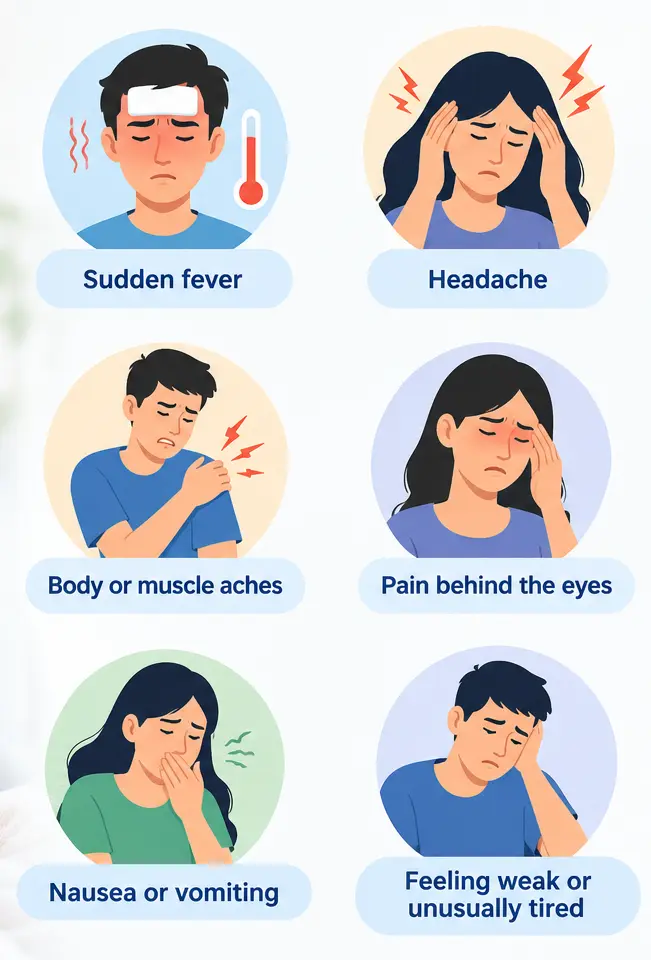 The early stage of dengue commonly begins with fever and flu-like symptoms. A person may experience:
- Sudden fever
- Headache
- Body or muscle aches
- Pain behind the eyes
- Nausea or vomiting
- Feeling weak or unusually tired
Because these symptoms can overlap with influenza, other infections, and leptospirosis, symptoms alone cannot reliably confirm dengue.
For Filipinos searching for senyales ng dengue, sign ng dengue, or symptoms ng dengue, the important point is that early symptoms can be nonspecific. Medical assessment may be necessary when dengue is suspected.
What Are the Dengue Warning Signs?
One of the most important things to understand about dengue is that serious warning signs can appear after the fever begins to decrease. A lower temperature does not automatically mean the illness is improving.
Seek urgent medical care if someone with suspected dengue develops:
1. Severe abdominal pain or tenderness
2. Persistent vomiting
3. Rapid or difficult breathing
4. Blood in vomit or stool
5. Marked weakness, restlessness, or unusual fatigue
6. Bleeding from the nose or gums
7. Pale or cold skin
8. Excessive thirst or other signs of significant fluid loss
Severe dengue can involve serious bleeding, shock, fluid leakage, or organ impairment.
What Is Leptospirosis?
Leptospirosis is a bacterial infection caused by bacteria of the Leptospira genus.
People can become infected after contact with water or soil contaminated with urine from infected animals, particularly during or after flooding. The bacteria can enter the body through cuts or abrasions in the skin or through mucous membranes.
This makes leptospirosis particularly relevant in areas affected by heavy rainfall and flooding.
In September 2026, Philippine health authorities continued to warn communities about leptospirosis associated with floodwater exposure. DOH also strengthened its response in flood-affected Pampanga.
What is the Leptospirosis disease symptoms?
Common leptospirosis symptoms may include:
Chills
Headache
Muscle aches
Weakness
Nausea or vomiting
Red or irritated eyes
Abdominal discomfort
Diarrhea & Rash in some cases
Sudden fever
More serious illness can affect organs such as the kidneys and liver and can cause jaundice, bleeding, respiratory problems, or other complications.
What Are the Early Signs of Leptospirosis?
Early leptospirosis can look similar to several other infections.
A perso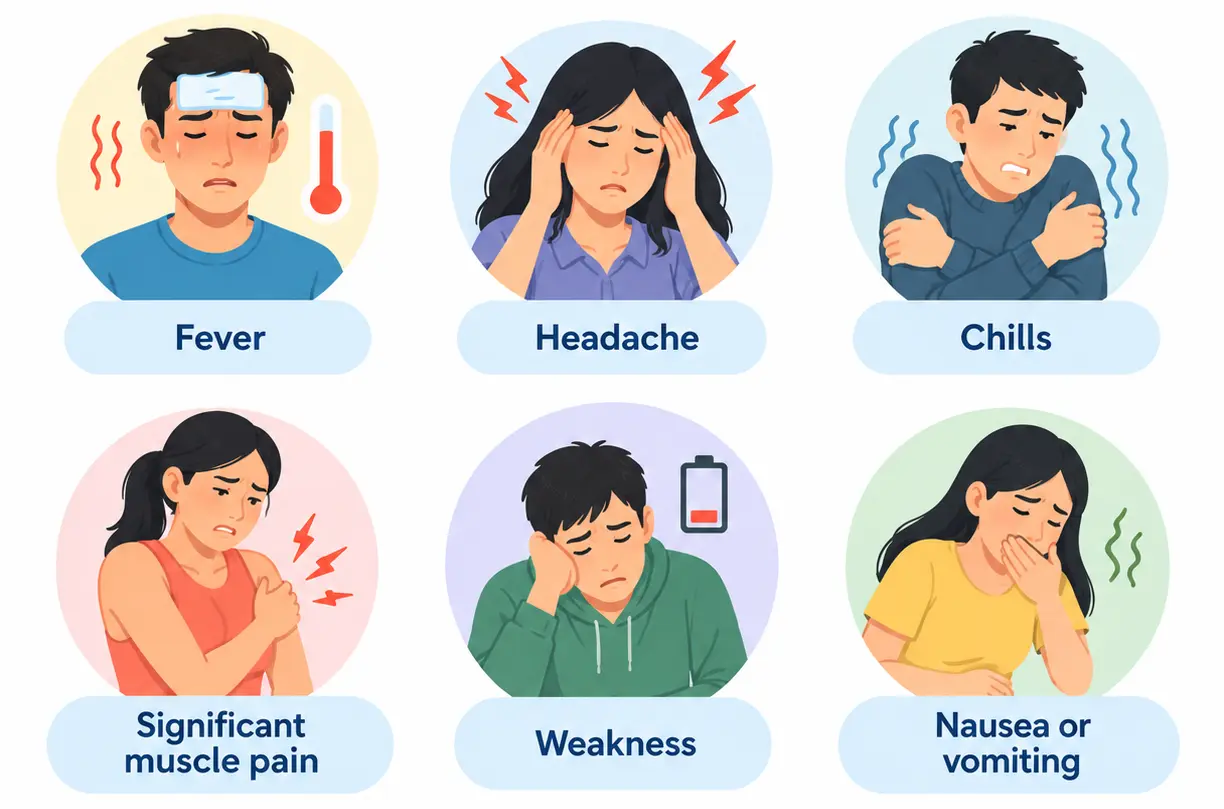 may develop:
- Fever
- Headache
- Chills
- Significant muscle pain
- Weakness
- Nausea or vomiting
If these symptoms occur after floodwater or contaminated-water exposure, medical assessment is especially important.
Dengue vs Leptospirosis: What's the Difference?
Dengue and leptospirosis can look similar at first, but their causes and routes of transmission are different.
| Feature | Dengue | Leptospirosis |
|---|---|---|
| Cause | Dengue virus | Leptospira bacteria |
| Main route of infection | Bite of an infected Aedes mosquito | Contact with contaminated water or soil |
| Floodwater exposure | Not the primary route | Important risk factor |
| Fever | Common | Common |
| Headache | Common | Common |
| Muscle/body pain | Common | Common |
| Rash | May occur | May occur |
| Eye symptoms | Pain behind the eyes can occur | Red or irritated eyes may occur |
| Severe complications | Severe bleeding, shock, organ impairment | Kidney/liver problems, bleeding, respiratory or other organ complications |
| Diagnosis | Clinical assessment and laboratory testing | Clinical assessment, exposure history and laboratory testing |
| Treatment | Supportive medical care; no specific antiviral treatment | Requires medical evaluation and appropriate antimicrobial treatment when indicated |
The overlap means that a person should not assume that fever after flooding is dengue or leptospirosis without proper evaluation.
Dengue vs Leptospirosis After Flooding
Floodwater exposure is an especially important clue when considering leptospirosis.
However, flooding can also increase other health risks, and a person can have an illness unrelated to the exposure.
If you develop fever, headache, muscle pain, weakness, vomiting, or other concerning symptoms after being exposed to floodwater, contact a healthcare professional promptly and explain when and how the exposure occurred.
DOH has specifically urged people exposed to floodwater to take precautions against leptospirosis and seek medical attention when appropriate.
How Is Dengue Diagnosed?
Healthcare professionals may consider:
- Symptoms and physical findings
- Timing of symptoms
- Possible mosquito exposure
- Local dengue activity
- Medical history
- Blood or other laboratory testing when appropriate
Different dengue tests are useful at different stages of illness. Laboratory methods can include antigen testing, molecular testing, antibody testing, or other diagnostic approaches depending on the timing of illness and available healthcare services.
What Is a Dengue NS1 Test?
Dengue NS1 refers to testing for the NS1 antigen associated with dengue virus infection.
NS1 antigen testing can help detect dengue during the early stage of illness, but the appropriate test depends on the timing of symptoms and the clinical situation. A healthcare professional can determine which test or combination of tests is appropriate.
What About Dengue Platelet Count?
A platelet count may be monitored in people with suspected or confirmed dengue, but one platelet number should not be used by itself to determine whether a person has dengue or whether the disease is severe.
Healthcare professionals consider platelet counts together with symptoms, vital signs, hematocrit and other clinical findings.
How Is Leptospirosis Diagnosed?
Diagnosis may involve:
- Symptoms
- History of exposure to floodwater, soil, or potentially contaminated water
- Physical examination
- Laboratory testing
Because leptospirosis can progress to serious disease, people with a relevant exposure and compatible symptoms should not delay medical assessment while waiting for symptoms to become severe.
WHO guidance describes fever, chills, headache, muscle pain and other systemic symptoms as possible features of leptospirosis and emphasizes the importance of clinical assessment and appropriate management.
Dengue Treatment
There is currently no specific antiviral treatment that cures dengue infection. Treatment focuses on medical monitoring, hydration, rest, and management of symptoms and complications.
For fever or pain, healthcare professionals may recommend appropriate medicines such as paracetamol/acetaminophen.
Aspirin and ibuprofen are generally avoided when dengue is suspected because they can increase the risk of bleeding.
Do not self-treat suspected dengue with antibiotics. Antibiotics do not treat a viral dengue infection.
People with warning signs may require hospital care and closer monitoring.
Leptospirosis Treatment
Leptospirosis is a bacterial infection and may require antibiotic treatment prescribed by a healthcare professional.
Treatment depends on the severity of illness and the individual patient’s circumstances. Severe cases may require hospital treatment and supportive care for complications involving organs such as the kidneys, liver, lungs, or cardiovascular system.
Because leptospirosis can become serious, suspected cases should be medically evaluated rather than treated with leftover antibiotics or self-selected medicines.
Can Dengue Be Prevented?
Yes. Dengue prevention focuses heavily on reducing exposure to infected mosquitoes and eliminating mosquito breeding sites.
Practical measures include:
- Remove standing water around homes.
- Empty and clean water-holding containers regularly.
- Cover water storage containers.
- Dispose of items that can collect rainwater.
- Use mosquito repellent according to product directions.
- Wear clothing that covers the skin.
- Use screens on doors and windows.
- Take additional precautions when a household member has dengue.
In the Philippines, the Department of Health promotes the 4-S strategy: search and destroy mosquito-breeding sites, use self-protection measures, seek early consultation, and support fogging or spraying in outbreak areas when indicated.
How Can Leptospirosis Be Prevented?
Because leptospirosis is associated with contaminated water and soil, prevention is especially important during and after flooding.
Helpful precautions include:
- Avoid unnecessary contact with floodwater.
- Wear protective footwear when exposure cannot be avoided.
- Cover cuts and wounds with waterproof dressings.
- Wash exposed skin thoroughly with clean water and soap.
- Use safe drinking water.
- Avoid swallowing potentially contaminated water.
- Follow local health advisories after flooding.
- Seek medical advice if illness develops after a significant exposure.
DOH has emphasized protective measures for communities affected by flooding, including appropriate footwear and washing body parts that have been exposed to floodwater.
Latest concern of Dengue and Leptospirosis in the Philippines
Both diseases remain relevant public-health concerns in the Philippines.
In September 2026, DOH-CAR reported 5,927 dengue cases from January 4 to August 29, representing a 19% increase compared with the same period the previous year in the Cordillera region. The same report recorded 196 leptospirosis cases, a 15% increase over the comparable period.
At the national level, a September 30 report citing DOH data said dengue cases through September 23 were 168,060, while leptospirosis cases reached 11,965. The same report noted that the recent leptospirosis surge appeared to be easing, although cumulative cases remained substantially higher than the previous year.
By October 2, Bohol had declared a province-wide dengue outbreak after cases exceeded the epidemic threshold for three consecutive weeks. Local authorities intensified mosquito-control activities under the enhanced 4S strategy.
These figures can change as surveillance data are updated, so readers should check current Department of Health and local health-office advisories for the latest situation.
When Should You Seek Medical Care?
Seek prompt medical attention if you have symptoms that could indicate dengue or leptospirosis, particularly if you:
Have persistent or high fever
Develop severe abdominal pain
Have repeated vomiting
Experience unusual bleeding
Have difficulty breathing
Become extremely weak, confused, or unusually sleepy
Develop yellowing of the eyes or skin
Develop yellowing of the eyes or skin
Have severe muscle pain or weakness
Cannot keep fluids down
Most Asked Questions
Dengue is a viral infection mainly transmitted by infected Aedes mosquitoes. Leptospirosis is a bacterial infection associated with exposure to water or soil contaminated with urine from infected animals. Both can cause fever and body pain, so testing and medical assessment may be needed.
Yes. Both can cause fever, headache, muscle pain, weakness, nausea, and other flu-like symptoms. Exposure history and laboratory testing can help healthcare professionals distinguish between them.
Flooding can increase the risk of leptospirosis because floodwater may become contaminated with urine from infected animals. Philippine health authorities regularly issue leptospirosis warnings during periods of heavy rain and flooding.
Common early dengue symptoms include fever, headache, muscle or joint pain, pain behind the eyes, nausea, vomiting, and sometimes rash. These symptoms can overlap with other infections.
Warning signs include severe abdominal pain, persistent vomiting, bleeding, rapid breathing, marked weakness or restlessness, and other signs of severe illness. Immediate medical evaluation is recommended when these occur.
Early symptoms may include sudden fever, headache, chills, muscle aches, weakness, nausea, or vomiting. Red eyes can also occur. Symptoms may vary between individuals.
There is no specific antiviral medicine that cures dengue. Treatment focuses on supportive care, hydration, symptom management, monitoring, and treatment of complications when necessary.
Leptospirosis is a bacterial infection and may require antibiotics prescribed by a healthcare professional. Treatment should be based on medical assessment and the severity of illness.
No. A platelet count can change for several reasons, and a single platelet result cannot independently diagnose dengue or determine disease severity. Healthcare professionals interpret laboratory results alongside symptoms and other clinical findings.
Yes. Rash is one possible symptom of dengue, but not everyone with dengue develops one. Other symptoms and laboratory findings are considered when evaluating suspected infection.
Final Words
Dengue and leptospirosis can both cause fever and flu-like symptoms, but they are different diseases with different causes, transmission routes, diagnostic approaches, and treatments.
In the Philippines, dengue remains an important mosquito-borne disease, while leptospirosis is particularly concerning after exposure to contaminated floodwater. Current 2026 health reports show why awareness, prevention, early consultation, and timely medical care remain important.
If you develop concerning symptoms, particularly severe dengue warning signs or illness following floodwater exposure, seek medical care rather than relying on an online diagnosis.
References & Authoritative Sources
- World Health Organization — Dengue and severe dengue
- World Health Organization — Leptospirosis outbreak resources
- Philippine Department of Health / Philippine Information Agency — Dengue and leptospirosis advisories
- Local Philippine health authorities — Current regional disease updates
This article is provided for educational and informational purposes only and is not a substitute for professional medical advice, diagnosis, or treatment. Symptoms can overlap between dengue, leptospirosis, influenza, and other illnesses. Always consult a qualified healthcare professional for individual medical advice, testing, diagnosis, and treatment.