-
-
-
Capmatinib Tablet Brands
What is Capmatinib and what is it used for?
Capmatinib is a prescription medicine used to treat adults with a kind of lung cancer called non-small cell lung cancer (NSCLC) that has spread to other parts of the body or cannot be removed by surgery and whose tumors have an abnormal gene.
Which is better, targeted therapy or chemotherapy?
Both chemotherapy and targeted therapy are two effective methods for cancer therapy. The difference is that chemotherapy can also kill normal cells when destroying cancer cells. On the other hand, targeted therapy does not affect normal cells while killing the targeted cancer cells.
How Capmatinib Tablet works
Capmatinib Tablet works by blocking the action of an abnormal protein that promotes the multiplication of cancer cells. This helps slow or stop the spread of cancer cells.
Common side effects of Capmatinib
Edema (swelling), Nausea, Musculoskeletal stiffness, Breathlessness, Fatigue, Vomiting, Cough, Decreased appetite
Not for Sale Information purpose Only
-
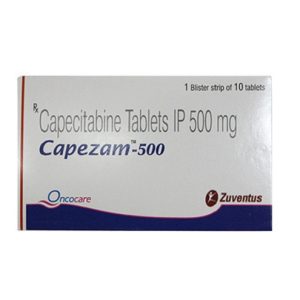
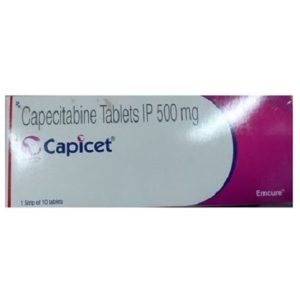
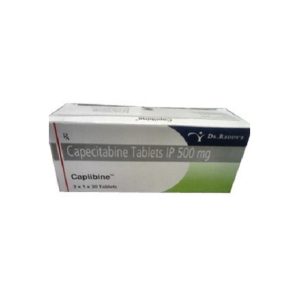
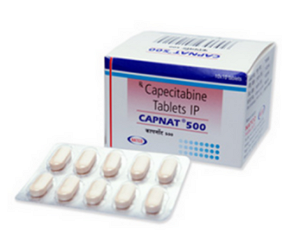
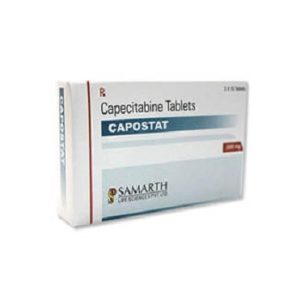
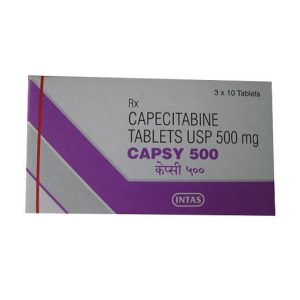
Capnat Capecitabine 500 mg Tablets
WHAT IS CAPNAT 500mg Tablets ?
Capnat 500mg is an anti-cancer (“antineoplastic” or “cytotoxic”) chemotherapy drug. It is classified as an “antimetabolite. Antimetabolites are cell-cycle specific. They attack cells at very specific phases in the cycle.
Capecitabine Uses
Capnat 500mg tablet is used in the treatment of ovarian cancer, head and neck cancer, cervical cancer, testicular cancer., breast cancer, non-hodgkin lymphoma (NHL), blood cancer, lung cancer, bone cancer, and urinary bladder cancer.
How it works
Capecitabine interferes with the growth of DNA and RNA of the cancer cells by substituting their building blocks. It prevents cancer cells from growing and multiplying.
CAPECITABINE COMMON SIDE EFFECTS:
stomach pain or upset, constipation; tired feeling; mild skin rash; or numbness or tingling in your hands or feet.
Call your doctor at once if you have:
fever above 100.5 degrees;
nausea, loss of appetite, eating much less than usual, vomiting (more than once in 24 hours);
severe diarrhea (more than 4 times per day, or during the night);
blisters or ulcers in your mouth, red or swollen gums, trouble swallowing; pain, tenderness, redness, swelling, blistering, or peeling skin on your hands or feet;
dehydration symptoms–feeling very thirsty or hot, being unable to urinate, heavy sweating, or hot and dry skin;
heart problems–chest pain or pressure, uneven heartbeats, shortness of breath (even with mild exertion), swelling or rapid weight gain;
kidney problems–little or no urinating; painful or difficult urination; swelling in your feet or ankles; feeling tired or short of breath;
liver problems–nausea, upper stomach pain, itch
WhatsApp / Viber
Available On All Major Platform
+91 7428091874
Express Worldwide Shipping
Order Above $99